
Introduction
Producing a recombinant protein starts with a fundamental decision: choosing the right expression host. Bacteria and yeast are both widely used microbial platforms, but selecting between them involves more than comparing expression levels or production speed. The biology of the host can influence how a protein is folded, processed and recovered, with practical consequences for its functionality and the overall production workflow.
For this reason, bacterial vs yeast expression systems should be evaluated according to the characteristics of the target protein and the requirements of its final application. Understanding the capabilities and limitations of different recombinant protein expression systems helps determine not only whether a protein can be expressed, but whether it can be produced in the form and through the process that the application requires.
Bacterial and Yeast Expression: Two Established Microbial Routes
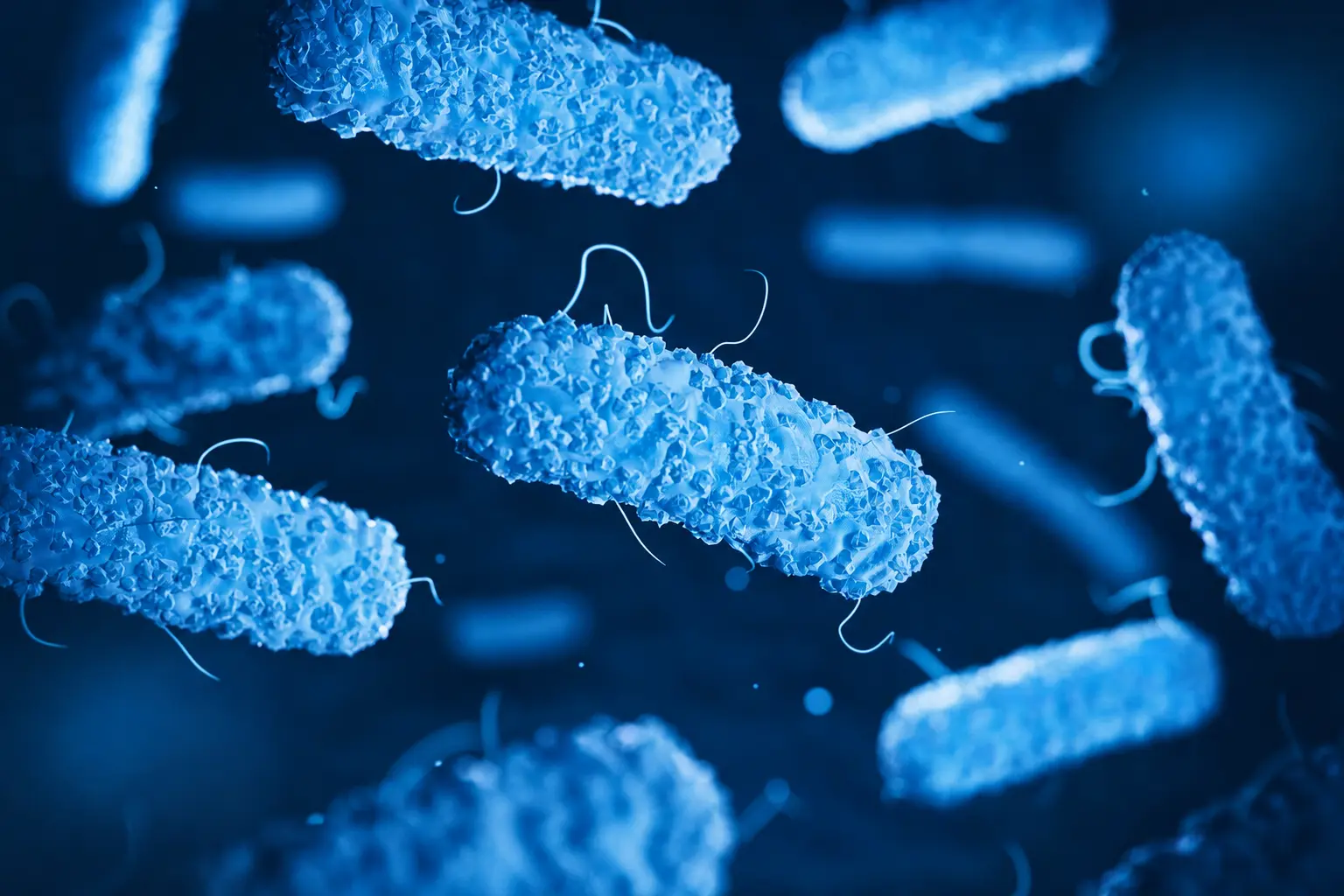
Bacterial and yeast hosts are widely used for recombinant protein production, but they offer different cellular environments. Bacterial expression systems, particularly Escherichia coli, are well established thanks to extensive molecular biology tools, rapid cultivation and well-characterized production workflows. For many proteins that do not require complex eukaryotic processing, they remain an effective expression route.
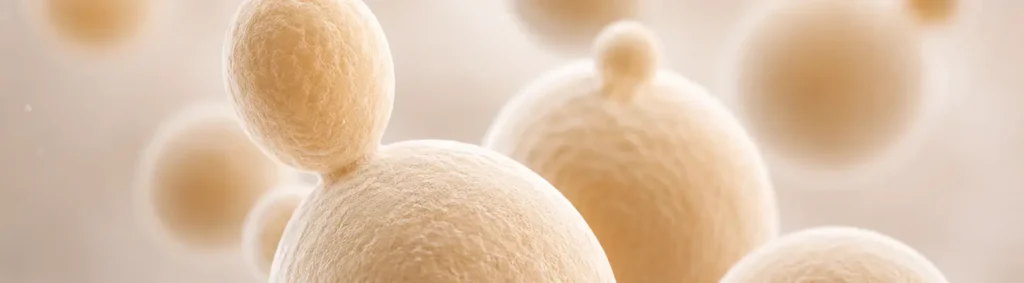
Yeast expression systems combine microbial cultivation with the cellular machinery of a eukaryotic organism. This enables protein-processing mechanisms that differ from those available in bacteria, including certain post-translational modifications and, depending on the protein and expression strategy, secretion into the culture medium.
The choice between bacterial vs yeast expression systems therefore depends less on identifying a universally superior host and more on matching the biology of the production system to the structural, functional and processing requirements of the target protein.
Where Host Selection Starts Creating Friction
A high expression level does not necessarily translate into a high yield of usable protein. Depending on the target and the host, recombinant proteins may accumulate in an insoluble form, aggregate, fold incorrectly or require additional processing before they become functional. In bacterial expression, for example, some proteins can form inclusion bodies, making solubilization and refolding necessary before purification can proceed.
These challenges can add steps to the downstream workflow and affect recovery, process complexity and ultimately the amount of functional protein obtained. Yeast expression presents its own constraints and also requires protein-specific optimization. The key question is therefore not simply how much protein a system can express, but how much functional, recoverable protein the complete process can deliver.
Bacterial vs Yeast Expression Systems: What the Biology Changes
Protein Folding and Disulfide Bond Formation
Producing a protein sequence is only part of the process. To become functional, many recombinant proteins must also adopt the correct three-dimensional structure, and some depend on the formation of specific disulfide bonds. The cellular environment provided by the expression host can therefore influence the final state of the protein.
In conventional E. coli expression, the reducing environment of the cytoplasm can make the formation of disulfide bonds challenging for certain proteins, although engineered strains and alternative expression strategies can help overcome this limitation. Yeast, as a eukaryotic host, provides cellular pathways for protein folding and processing, including an endoplasmic reticulum where disulfide bond formation can occur.
This does not mean that yeast automatically produces every complex protein in its correct functional form. Folding remains protein-dependent and may require optimization of the expression construct, host strain and process conditions. The practical advantage appears when the biology of the selected host is better aligned with the structural requirements of the target protein.
Post-Translational Modifications
For some recombinant proteins, expression and folding are not enough to achieve the required biological properties. Post-translational modifications (PTMs), such as glycosylation, can influence protein structure, stability and function, making the processing capabilities of the host an important part of expression system selection.
Conventional bacterial hosts such as E. coli lack the eukaryotic machinery required for many of these modifications. Yeast, by contrast, can perform several eukaryotic PTMs, which can make it a suitable microbial host when additional protein processing is required.
However, yeast-derived modifications are not necessarily equivalent to those produced in mammalian cells. Glycosylation patterns, for example, vary between expression hosts and may require strain selection or glycoengineering when a specific profile is critical to the final application. For this reason, the relevant question is not simply whether a host can perform PTMs, but whether it can provide the specific processing required by the target protein.
Intracellular Expression vs Protein Secretion
Where a recombinant protein accumulates can be almost as important as how much of it is produced. In conventional E. coli workflows, recombinant proteins are frequently produced intracellularly, meaning that cells must be harvested and disrupted before the target protein can be recovered. This also releases host-cell components that must be considered during downstream processing.
Yeast can also produce proteins intracellularly, but its eukaryotic secretory pathway provides another option: directing certain recombinant proteins into the culture medium. When secretion is efficient and compatible with the target protein, extracellular production can reduce the amount of intracellular material entering the initial recovery steps and change the purification strategy.
However, secretion should not be treated as an automatic advantage. Its efficiency depends on factors such as the target protein, signal peptide, host strain and expression conditions. The relevant benefit is therefore the possibility of designing protein localization as part of the overall production and downstream strategy.
Endotoxin Considerations
The choice of expression host can also influence the impurities that must be managed during downstream processing. In Gram-negative bacterial hosts such as E. coli, lipopolysaccharides (LPS), commonly referred to as endotoxins, are components of the outer membrane and can be released during cell disruption.
Their relevance depends on the final application and its purity requirements, but when endotoxin levels must be tightly controlled, additional removal and analytical steps may be required during purification.
Yeast does not produce bacterial LPS, removing this specific E. coli-associated consideration from the production process. This does not eliminate the need to control other host-derived impurities, but it illustrates how host selection can influence downstream requirements beyond recombinant protein expression itself.
When Does Yeast Expression Make Sense?
Yeast expression becomes particularly relevant when the target protein benefits from eukaryotic folding and processing, when specific post-translational modifications are required, or when secretion can be incorporated into the production strategy. It can also be attractive when avoiding bacterial LPS or working with an animal-free microbial production system is important for the intended application.
However, these advantages are protein- and process-dependent. A yeast host must still be selected and optimized according to the characteristics of the target protein, the required functionality and the specifications of the final product.
When Bacterial Expression May Still Be the Right Choice
For many recombinant proteins, bacterial expression remains a practical and well-established option. If the target does not require eukaryotic processing, can be obtained in a soluble and functional form, and the bacterial production and purification workflow meets the final product requirements, there may be little reason to move to a more complex expression strategy.
Ultimately, the best expression system for recombinant proteins is the one that fits the biology of the target and the requirements of the complete production process.
Levprot’s Approach: Precision Fermentation in Yeast
When yeast is the right biological fit for a target protein, selecting the host is only the starting point. Expression must then be translated into a production process that delivers the required functionality, quality and consistency at the intended scale.
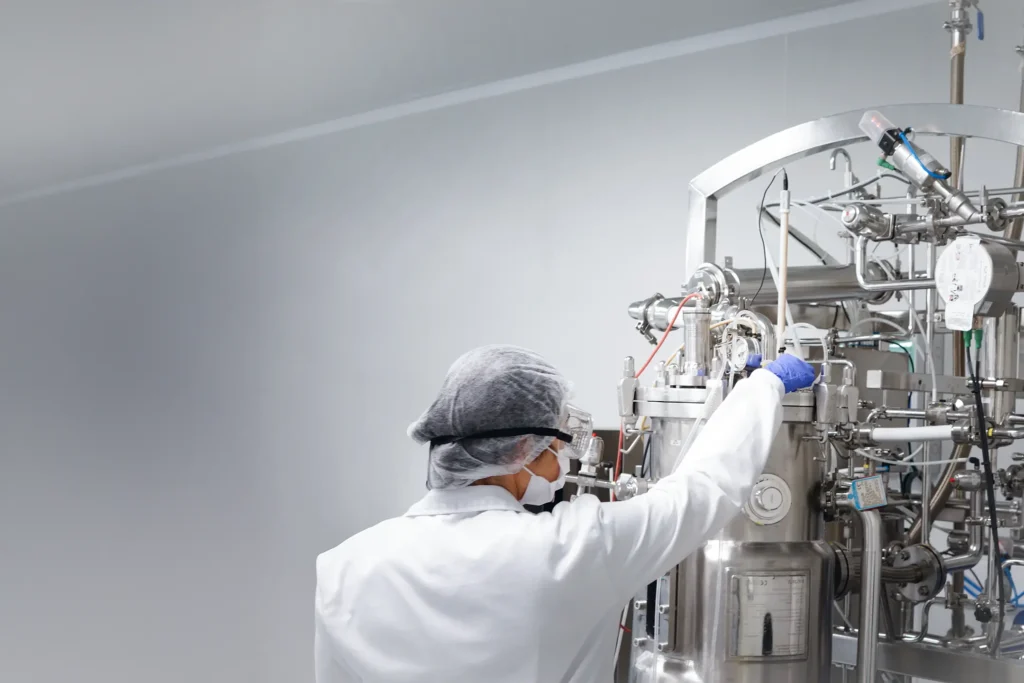
At Levprot Bioscience, we approach recombinant protein production in yeast through YEASTech®, our yeast-based precision fermentation platform. The platform covers the development cycle from genetic design and strain engineering to process optimization, protein characterization, quality control, preservation and scale-up. This allows the production strategy to be developed around the requirements of each target protein and its final application.
This approach is already applied across recombinant proteins and enzymes with different functional requirements, including Taq DNA polymerase, DNases, Proteinase K and recombinant bovine serum albumin (rBSA). In molecular biology workflows, for example, Levprot’s yeast-expressed Taq DNA polymerase is produced without bacterial DNA contamination, illustrating how the choice of production host can also respond to requirements associated with the final reagent.
Frequently Asked Questions
Is yeast better than bacteria for recombinant protein production?
Not necessarily. The optimal expression host depends on the target protein, its structural and processing requirements, the required functionality and the final application. Both bacterial and yeast systems can be effective when appropriately matched to the protein.
What are the main differences between bacterial and yeast expression systems?
The main differences relate to their cellular biology. Yeast provides eukaryotic folding and processing pathways, supports certain post-translational modifications and can enable protein secretion. Bacterial systems such as E. coli offer highly established workflows but have different capabilities for these processes.
When should yeast be used instead of E. coli?
Yeast may be considered when a protein benefits from eukaryotic folding or processing, when compatible post-translational modifications are relevant, when secretion is advantageous, or when avoiding E. coli-associated components such as bacterial LPS is important for the production strategy.
Can yeast produce complex recombinant proteins?
Yes, yeast can produce many complex recombinant proteins, but successful expression remains protein-dependent. Host strain, expression construct, secretion strategy and fermentation conditions may all require optimization to achieve the desired protein characteristics.
Choosing the Expression System Around the Protein
The choice between bacterial vs yeast expression systems should start with the protein itself. Its structural complexity, processing requirements, desired functionality and final application will determine which host provides the most appropriate production environment. In many cases, bacterial expression remains an effective choice; in others, the eukaryotic processing capabilities of yeast can offer a better biological fit.
When yeast is the right route, the next challenge is turning expression into a controlled and scalable production process. Through YEASTech®, Levprot Bioscience supports recombinant protein development from genetic design and strain engineering to process optimization, characterization and scale-up.
Working on a recombinant protein project? Contact our team to discuss whether yeast-based precision fermentation could fit your production requirements.
FAQs (Frequently Asked Questions)
What are the main differences between bacterial and yeast expression systems?
The main differences relate to their cellular biology. Yeast provides eukaryotic folding and processing pathways, supports certain post-translational modifications and can enable protein secretion.
Bacterial systems such as E. coli offer rapid growth and well-established production workflows but have different capabilities for these processes.
When should yeast be used instead of E. coli?
Yeast may be considered when a protein benefits from eukaryotic folding or processing, when compatible post-translational modifications are relevant, when secretion is advantageous or when avoiding E. coli-associated components such as bacterial lipopolysaccharides is important.
Can yeast produce complex recombinant proteins?
Yes.
Yeast can produce many complex recombinant proteins, including proteins requiring disulfide bond formation or certain post-translational modifications. However, successful production remains protein-dependent and may require optimization of the host strain, expression construct, secretion strategy and fermentation conditions.
The main differences relate to their cellular biology. Yeast provides eukaryotic folding and processing pathways, supports certain post-translational modifications and can enable protein secretion.
Bacterial systems such as E. coli offer rapid growth and well-established production workflows but have different capabilities for these processes.
Yeast may be considered when a protein benefits from eukaryotic folding or processing, when compatible post-translational modifications are relevant, when secretion is advantageous or when avoiding E. coli-associated components such as bacterial lipopolysaccharides is important.
Yes.
Yeast can produce many complex recombinant proteins, including proteins requiring disulfide bond formation or certain post-translational modifications. However, successful production remains protein-dependent and may require optimization of the host strain, expression construct, secretion strategy and fermentation conditions.